The Atlas of Drowned Towns
Stories of displacement, communities, and memories beneath reservoirs.
Featured Town
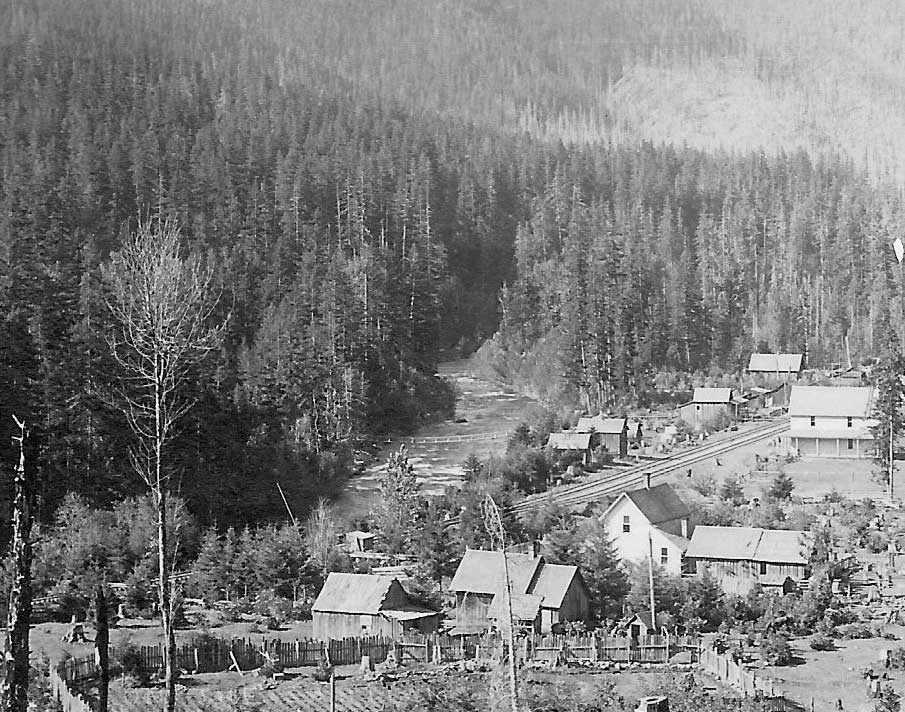
Bloomington, Kansas
The town of Bloomington emerged in February 1857 on land that previously belonged to the Kaw Tribe. The residents of Bloomington were staunch abolitionists who supported the free state cause. Additionally, several settlers, such as Henry Hiatt and J.C. Steele, used their homes as stations along the Underground Railroad. Read more
Featured Town
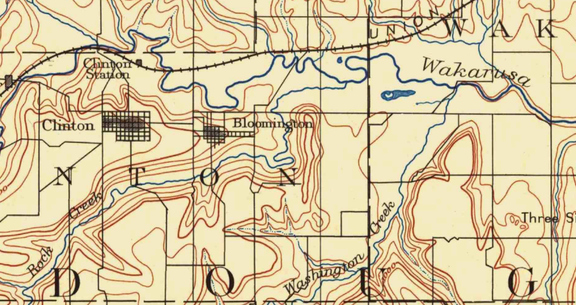
Bussa, Nigeria
The legend of Bussa's founding goes back to the 7th century, when a king named Kisra arrived in the region after fleeing Muhammad's forces on the Arab Peninsula. By the 15th century the town was the capital of the Burgu Kingdom, but Bussa is perhaps best known globally as the site of Scottish explorer Mungo Park's death in 1806. Read more
Featured Town
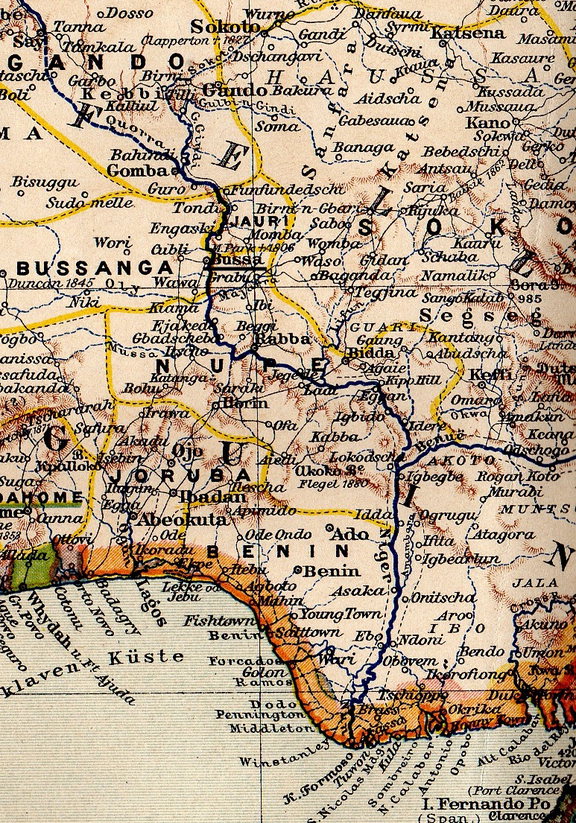
Detroit, Oregon
Old Detroit began as an Oregon Pacific Railroad labor camp in 1889, and two years later a post office was established in the community. In 1895, lumber magnet A.B. Hammond organized several logging camps near Old Detroit and transported timber to Mill City via the newly named Oregon Central and Eastern Railroad, transforming Detroit into “a… Read more
Featured Town
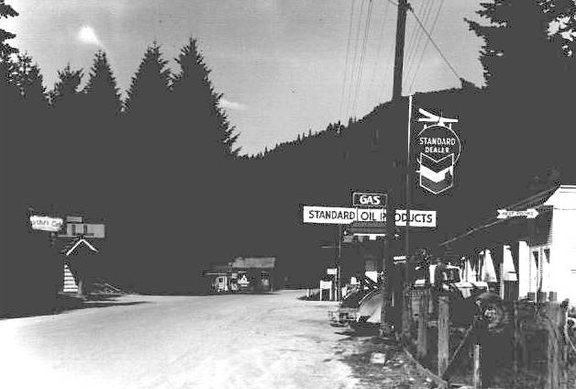
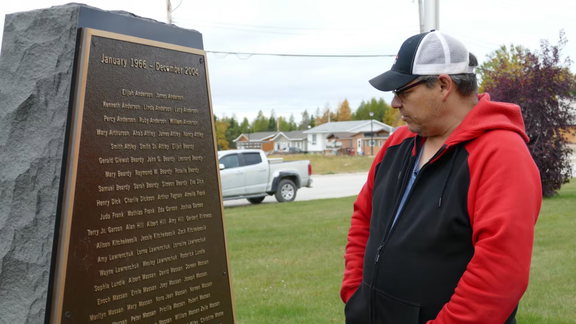
Fox Lake Cree Nation, Canada
Fox Lake Cree Nation (Cree: ᒪᐦᑫᓯᐤ ᓵᑲᐦᐃᑲᐣ) became an individual Band in 1947. The Nation is a signatory of the 1910 Treaty #5 through York Factory First Nation, and Fox Lake Cree ancestors have lived in the Nelson River area since the end of the last ice age. Read more
Featured Town
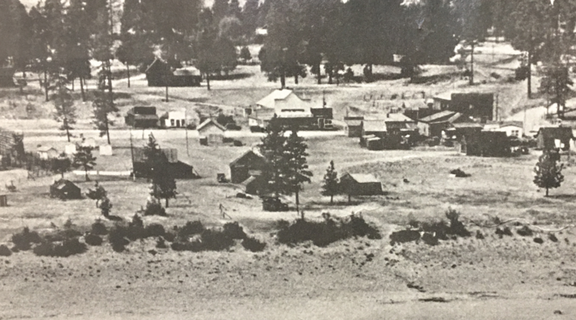
Inchelium, Washington
The first house in Inchelium was built in 1908. The town was initially called Buffalo, then Troy, but residents renamed it Inchelium—-which derives from a Sanpoil word meaning “where big water meets little water” or “meeting place among three waters”—-two years later. Read more
Featured Town
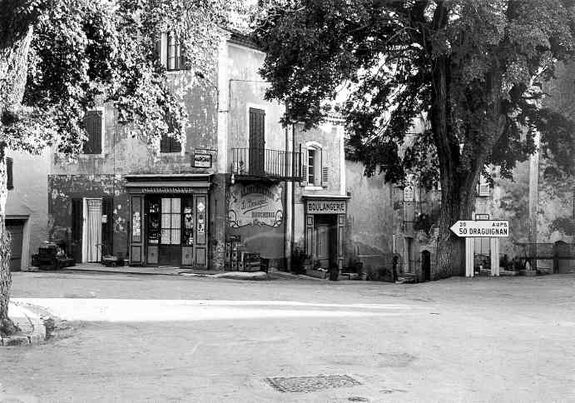
Les Salles-sur-Verdon, France
Les Salles-sur-Verdon was founded on the Verdon River in the Gallo-Roman period. It was a thriving town in the medieval period, and about 2,000 villagers still lived there in 1973 when the town was inundated by Lac de Sainte-Croix. The entire village was moved to higher ground. Today, it is a popular home base for outdoor recreation in the region. Read more
“We had a wonderful life. Close-knit communities, close-knit families. And we looked after each other… The dams have done nice things. They took away a tremendous amount, but they did so much to save people's homes and to save from flooding.” — Marie Geer, former resident of Hebron, Oregon
Discover communities displaced by reservoirs
Interpretations
Read articles and first-person histories about displaced communities and the dams that flooded them.